

Coffee is more than just a refreshment; it is an experience that combines art and precision in every sip. The journey of coffee begins with the modest coffee grain, a little seed that holds the capability for rich flavors and enticing aromas. From the green highlands where arabica coffee beans thrive to the detailed process of toasting, every stage plays a crucial role in forming the end result we savor. As coffee lovers seek out specialty coffee, the importance of grasping the roasting process becomes paramount.
Toasting coffee beans transforms the unroasted seeds into finished beans, opening a universe of intricate flavor variations. This detailed art requires a subtle balance between clock and temperature to attain the ideal roast. Whether you prefer unprocessed coffee, the convenience of milled coffee, or the stimulating experience of recently milled coffee, the traits of your grains will greatly affect your last sip. As we explore further the craft and method of coffee grain roasting, we will investigate the components that affect flavor development and how you can enhance your coffee adventure.
Comprehending Coffee Beans
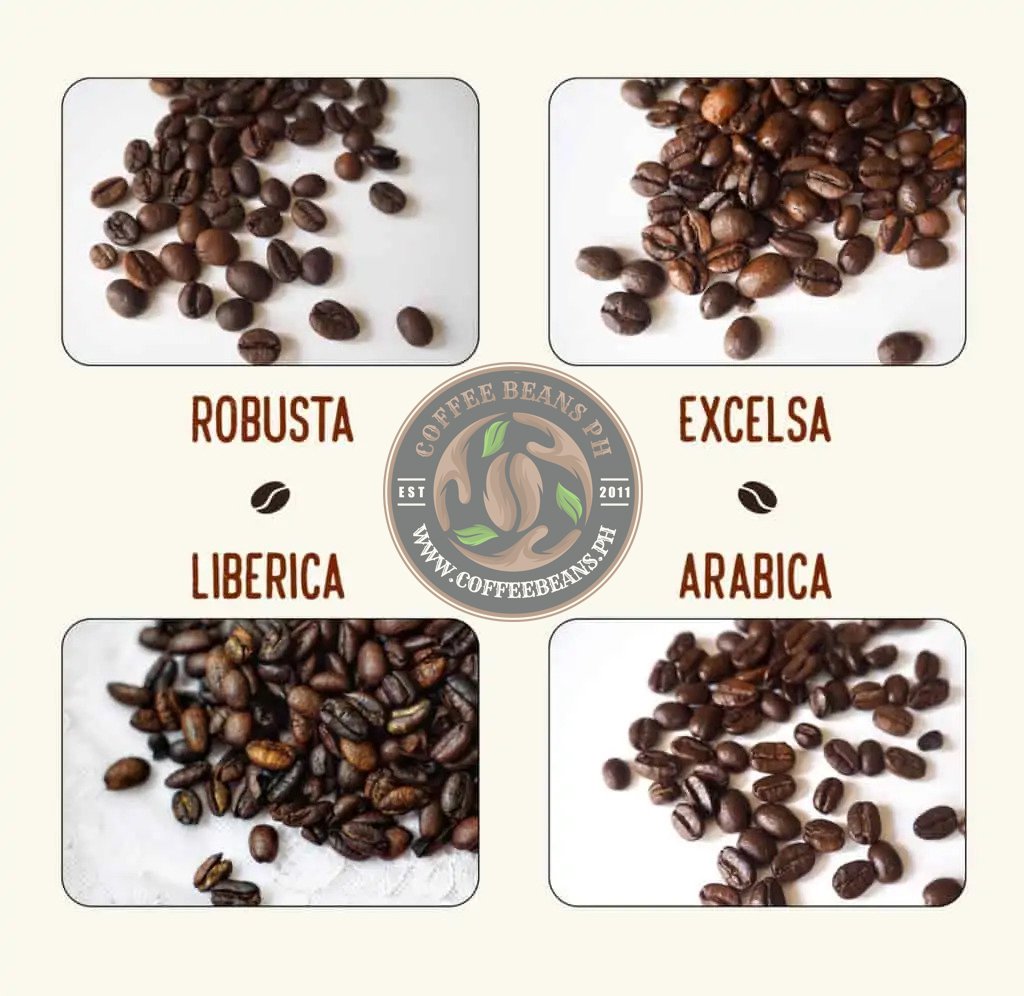
Coffee seeds are the seeds of the coffee plant and stand as the cornerstone for a globally most beloved drinks. Two primary varieties of coffee beans include Arabica and Robusta beans, with the former being the popular selection for gourmet coffee due to its sweeter, more complex flavor dimension. These beans grow in different climates, generally thriving in higher altitudes where the lower temperatures impede the growth process and improve flavor enhancement.
In terms of coffee, freshness is key. Whole bean coffee holds its flavor for a longer time than coffee that has been ground, making it necessary for real coffee enthusiasts to purchase a coffee grinder. Freshly ground coffee unleashes essential oils and aromatics that begin to dissipate soon after they are ground. This means that to truly enjoy the deep flavors and fragrances of coffee, utilizing fresh beans and grinding them right before brewing is the best method.
The roasting process is a key step in turning unroasted coffee seeds into the aromatic roasted coffee beans we appreciate. The way coffee is roasted affects the final taste and aroma, with diverse roast levels spanning from light to dark. Each degree brings out varied characteristics of the beans, and comprehending this can augment your appreciation for specialty coffee. If you like a lively, fresh flavor or a bold, chocolatey cup, the appropriate roast can enhance your coffee enjoyment.
This Roast Process
The roast procedure is a crucial stage in turning green coffee beans into the smelling good and tasty roasted coffee that many people enjoy. The process starts by heating the beans to elevated temperatures, typically between 350 and 500 degrees. When the seeds are exposed to this heat, they undergo a series of complex chemical changes known as the Maillard reaction, which contributes to the desirable flavors and aromas that characterize top-notch coffee.
Throughout the roast process, there are distinct stages that each batch of coffee seeds passes through. At first, the seeds become yellow and release moisture, afterwards a notable increase as they hit the first crack, where they emit a cracking sound. This is a crucial point for roasters, signifying that the seeds have formed enough flavor compounds to move into the light roast category. Depending on the intended outcome, coffee roasters can elect to stop at this stage or proceed roasting for a deeper flavor profile.
As the roast progresses to the second crack, the beans take on more intense flavors and deeper oils start to surface. This stage is essential for developing profiles often sought after in specialty coffee. The roasting times and heat levels can vary significantly based on the type of coffee, whether it is arabica coffee beans or another variety. Grasping how the roast degree affects the final taste is an art in itself, enabling coffee enthusiasts to value the fine nuances present in newly ground coffee.
Brewing Techniques for Freshness
In the realm of brewing coffee, the technique you choose can significantly impact the quality and flavor of your brew. Various brew methods can accentuate the distinct features of coffee grains. For instance, using a pour over technique allows for more precision over the brewing process, resulting in a clear and lively cup that highlights the nuances of freshly ground coffee. This approach encourages a thoughtful attention to the temperature of the water and flow, ensuring that the full spectrum of flavors from the freshly roasted coffee beans is drawn out.
Moreover, brewing with a press pot provides a contrast to the pour-over, offering a rich and full-bodied coffee experience. The immersion process used in a press pot allows essential oils and tiny bits from the ground coffee to stay in the mug, resulting in a denser mouthfeel and richer flavor profile. Selecting high-quality whole bean coffee and grinding it just prior to brewing enhances the vitality and ensures that you enjoy the coffee's natural qualities.
Finally, espresso machines offer yet a different distinctive method to enjoy coffee. The intense pressure used in brewing espresso draws out flavors quickly, creating a concentrated shot that serves as the foundation for various coffee beverages. To enjoy the best results, always opt for newly roasted arabica coffee grains and mill them just before extraction. Each brewing method serves different tastes, but all emphasize the necessity of using fresh coffee grains to achieve a genuinely exceptional coffee experience.